
Summary
Self-compassion is a transformative practice that invites us to accept and embrace our imperfections with kindness, especially in intimate relationships. At North Shore Hypnosis, we believe cultivating self-compassion is key to deepening intimacy and connection. Hypnosis offers a gentle and effective way to nurture this self-acceptance by helping reframe negative self-judgments and fostering inner compassion. In this article, we explore how embracing imperfections can improve your emotional and sexual intimacy, the science behind hypnosis as a tool for self-compassion, and practical techniques to support your journey. Whether you’re single or partnered, this empowering path encourages a richer connection with yourself and others.
Introduction
How often do we let self-criticism get in the way of truly connecting—with ourselves and with others? When it comes to intimacy, the stakes feel high: vulnerability meets expectation, and imperfections suddenly feel like obstacles instead of natural parts of being human. That’s where self-compassion steps in—a practice of treating ourselves with the same kindness and understanding we would offer a dear friend. At North Shore Hypnosis, we’ve seen firsthand how embracing self-compassion can unlock deeper intimacy. Using hypnosis, a focused state of relaxation and heightened awareness, we help clients shift old, limiting beliefs about themselves and replace them with gentle acceptance. Let’s explore how hypnosis can guide you toward embracing your imperfections and cultivating a more loving, intimate connection.
Understanding Self-Compassion in Intimacy
Self-compassion involves treating yourself with kindness, recognizing your shared humanity, and being mindful of your emotions without judgment. In intimate relationships, self-compassion creates a foundation for vulnerability and authenticity. When we accept our flaws rather than fighting them, we invite more genuine connection. Instead of hiding perceived shortcomings, self-compassion allows us to show up as our whole selves, fostering trust and safety between partners—and within ourselves.
If you want to learn more about building intimacy, check out our blog post on Improving Intimacy in Relationships with Hypnosis.
Why Embracing Imperfections Matters for Deeper Connection
Perfectionism can be a barrier to intimacy. When we hold ourselves to unrealistic standards, anxiety and shame creep in, creating walls rather than bridges. Embracing imperfections doesn’t mean ignoring areas for growth; it means accepting the present moment, flaws included. This acceptance creates space for real intimacy because it encourages openness and reduces fear of rejection.
Research shows that higher self-compassion is linked to better relationship satisfaction and emotional intimacy (Neff & Beretvas, 2013). When we treat ourselves kindly, we also tend to treat others with more empathy and patience—strengthening bonds.
Explore more about deepening connection through self-awareness in our post on Transform Your Intimacy with Hypnosis – 7 Ways.
How Hypnosis Supports Building Self-Compassion
Hypnosis is a natural, focused state of relaxed awareness, often described as a form of deep concentration. It helps bypass the critical, analytical mind, allowing direct access to the subconscious where habits and beliefs live. Through guided hypnosis, we can introduce compassionate, nurturing ideas that replace self-judgment and negative thought patterns.
This technique gently rewires how you relate to yourself, making it easier to accept imperfections without harsh self-criticism. Unlike traditional talk therapy alone, hypnosis taps into the subconscious in a way that fosters emotional healing and positive change more quickly.
For an introduction to hypnosis basics, see our blog post What is Hypnosis?.
Practical Hypnosis Techniques for Cultivating Self-Compassion
- Guided Self-Compassion Hypnosis – Using audio or a practitioner’s voice, enter a relaxed state and visualize yourself offering kindness and understanding to your inner critic.
- Positive Affirmation Integration – Repeating affirmations such as “I am worthy just as I am” during hypnosis reinforces self-acceptance.
- Safe Place Imagery – Creating a mental safe space to retreat during moments of self-doubt builds emotional resilience.
If you want to see these techniques in action, watch this helpful video on Overcoming Performance Anxiety, which shares strategies to reduce harsh self-judgment.
The Science Behind Self-Compassion and Hypnosis
Multiple studies support hypnosis as an effective tool to improve emotional well-being. For example, hypnosis has been shown to reduce anxiety and increase positive self-perception (Kirsch, Montgomery, & Sapirstein, 1995). Self-compassion itself is linked to lower levels of depression and greater emotional resilience (MacBeth & Gumley, 2012).
Together, hypnosis and self-compassion create a powerful synergy. Hypnosis facilitates deep emotional shifts, while self-compassion sustains long-term kindness toward self and others. This combination supports healthier intimate relationships by reducing shame and increasing openness.
Integrating Mindfulness and Hypnosis for Intimacy Growth
Mindfulness—the practice of present-moment awareness without judgment—pairs beautifully with hypnosis and self-compassion. Mindfulness helps us notice critical thoughts as they arise and choose kindness instead of criticism. Combining hypnosis with mindfulness exercises amplifies emotional healing and helps embody compassion in daily life.
You can learn more about this integration in our blog post on Intimacy and Mindfulness: Cultivating Present Moment Connection with Hypnosis.
Tips for Daily Self-Compassion Practice
- Start Small: Begin by noticing your inner dialogue. When you catch self-criticism, pause and reframe with kindness.
- Practice Self-Care: Prioritize activities that nurture your well-being.
- Use Hypnosis Support: Regularly listen to self-compassion hypnosis recordings or schedule sessions.
- Journal: Write compassionate letters to yourself.
- Connect with Others: Share your journey with trusted friends or a therapist.
Conclusion
Embracing imperfections through self-compassion is a vital step toward deeper intimacy and emotional freedom. Hypnosis offers a gentle, science-backed path to help you reframe negative self-beliefs and nurture kindness within. Whether you are single, partnered, or exploring intimacy on your own terms, cultivating self-compassion opens the door to richer connections with yourself and others.
Ready to start your journey toward self-compassion and deeper intimacy? Book your complimentary, confidential 20-minute Discovery Call with North Shore Hypnosis today: Schedule your Discovery Call.
Frequently Asked Questions
What is self-compassion and how does it relate to intimacy?
Self-compassion means treating yourself with kindness and understanding, especially during difficult moments. It creates a foundation for authentic intimacy by allowing you to be vulnerable and accept imperfections in yourself and others.
How can hypnosis help me embrace my imperfections?
Hypnosis accesses a relaxed state where subconscious beliefs can be gently reshaped. It helps replace self-criticism with self-kindness, supporting acceptance of imperfections and reducing shame that blocks intimacy.
Are there scientific studies supporting hypnosis for self-compassion?
Yes. Research shows hypnosis can reduce anxiety and improve emotional well-being, while self-compassion correlates with better mental health and relationship satisfaction (Kirsch et al., 1995; MacBeth & Gumley, 2012).
Can self-compassion improve my relationships?
Absolutely. Practicing self-compassion reduces shame and fear of rejection, fostering openness and empathy that strengthen intimate connections.
How do I start practicing self-compassion with hypnosis at home?
Start with guided self-compassion hypnosis recordings or sessions. Combine them with daily mindfulness and kindness practices toward yourself to build lasting change.
References
Kirsch, I., Montgomery, G., & Sapirstein, G. (1995). Hypnosis as an adjunct to cognitive-behavioral psychotherapy: A meta-analysis. Journal of Consulting and Clinical Psychology, 63(2), 214–220. https://doi.org/10.1037/0022-006X.63.2.214
MacBeth, A., & Gumley, A. (2012). Exploring compassion: A meta-analysis of the association between self-compassion and psychopathology. Clinical Psychology Review, 32(6), 545–552. https://doi.org/10.1016/j.cpr.2012.06.003
Neff, K. D., & Beretvas, S. N. (2013). The role of self-compassion in romantic relationships. Self and Identity, 12(1), 78–98. https://doi.org/10.1080/15298868.2011.639548
Learn Ten Things Your Partner Wishes You Knew About Intimacy
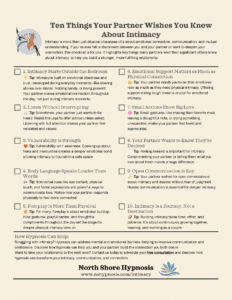
Do you want to have better intimate relationships? Discover ten things your partner wants you to know to have more fulfilling relationships.
Click now for your free checklist, “Ten Things Your Partner Wishes You Knew About Intimacy.
Scott is a Certified Hypnotist with over ten years of experience. He is an Advanced Certified Tantra Educator through the Source School of Tantric Yoga and has extensive experience with Tantric, Taoist, and Somatic intimacy.
Click HERE to schedule a complimentary 20-minute Discover Call with Scott.