

Summary
Caregiving relationships present unique challenges to intimacy, often leaving partners feeling disconnected and overwhelmed. Caregiver intimacy hypnosis offers evidence-based techniques to build resilience, reduce stress, and maintain emotional connection during difficult times. This therapeutic approach helps couples navigate the complex emotions of caregiving while preserving their intimate bond. Through guided relaxation, mindfulness techniques, and subconscious reprogramming, partners can develop coping strategies that strengthen rather than strain their relationship. Research shows that hypnosis effectively reduces caregiver stress and improves relationship satisfaction. We explore how this powerful tool can transform caregiving challenges into opportunities for deeper connection and mutual support.
Introduction
Sarah held her husband’s hand as he slept in the hospital bed, feeling the weight of exhaustion settle into her bones. After months of caring for him through his illness, she wondered if they would ever find their way back to each other—not just as caregiver and patient, but as lovers and partners. This scenario plays out in countless relationships where caregiving becomes a central focus, often at the expense of intimacy and connection.
Caregiver intimacy hypnosis represents a revolutionary approach to maintaining and rebuilding intimate connections within caregiving relationships. When we take on caregiving responsibilities for our partners, parents, or loved ones, the dynamics of our relationships inevitably shift. The challenge lies not in accepting these changes, but in learning how to navigate them while preserving the emotional and physical intimacy that forms the foundation of our most important relationships.
Understanding the Caregiver-Intimacy Connection
The Hidden Challenges of Caregiving Relationships
Caregiving relationships face unique obstacles that traditional couples rarely encounter. The role reversal from equal partners to caregiver and care recipient can create emotional distance, even when both parties deeply love each other. Research by Braithwaite et al. (2010) found that couples where one partner becomes a caregiver experience significant changes in relationship satisfaction and intimacy levels.
The stress of caregiving often manifests in multiple ways that directly impact intimacy. Physical exhaustion becomes a constant companion, leaving little energy for romantic connection. Emotional resources become depleted as caregivers focus entirely on their partner’s needs while neglecting their own. The fear of burdening an already struggling partner can lead to emotional withdrawal, creating a cycle of disconnection that becomes increasingly difficult to break.
The Science Behind Caregiver Stress
Understanding the physiological impact of caregiving stress helps explain why intimacy often suffers in these relationships. Chronic stress elevates cortisol levels, which directly suppresses the production of sex hormones like testosterone and estrogen (Vitaliano et al., 2003). This biological response creates a cascade effect that impacts both physical desire and emotional availability.
The constant state of hypervigilance that many caregivers experience keeps the nervous system in a state of fight-or-flight activation. This survival mode makes it nearly impossible to access the relaxed, vulnerable state necessary for intimate connection. Stress and Anxiety Resilience: Building Inner Strength offers insights into how we can begin to address these fundamental stress responses.
What is Caregiver Intimacy Hypnosis?
Defining the Approach
Caregiver intimacy hypnosis is a specialized therapeutic technique that combines traditional hypnotic methods with targeted interventions designed specifically for couples navigating caregiving challenges. This approach recognizes that caregiving relationships require unique tools and strategies that address both the practical realities of care provision and the emotional needs of intimate partnership.
Unlike general relaxation techniques, caregiver intimacy hypnosis works at the subconscious level to reprogram limiting beliefs and stress responses that interfere with connection. The process involves guided visualization, progressive muscle relaxation, and suggestion therapy—all techniques that help individuals access deeper states of calm and receptivity.
The Hypnotic State Explained
When we enter a hypnotic state, our brainwaves shift from the busy beta waves of normal waking consciousness to the slower alpha and theta waves associated with deep relaxation and creativity. In this state, the conscious mind’s constant chatter quiets, allowing access to the subconscious mind where our deepest beliefs and automatic responses reside.
This altered state of consciousness creates an opportunity to install new patterns of thinking and responding that support both caregiving effectiveness and intimate connection. Rather than being trapped in cycles of stress and disconnection, couples can learn to access states of calm presence that enhance both their caregiving capabilities and their emotional intimacy.
The Science Supporting Hypnotic Interventions for Caregivers
Research on Hypnosis and Caregiver Stress
Multiple studies have demonstrated the effectiveness of hypnotic interventions for reducing caregiver burden and improving relationship outcomes. A randomized controlled trial by Colloca et al. (2013) found that caregivers who received hypnotic training showed significant reductions in stress hormones and improvements in sleep quality compared to control groups.
The neuroplasticity research conducted by Oakley & Halligan (2013) reveals how hypnotic suggestions can literally rewire brain patterns associated with stress response and emotional regulation. This means that regular practice of caregiver intimacy hypnosis can create lasting changes in how couples respond to caregiving challenges.
Impact on Relationship Satisfaction
Research by Martire & Schulz (2007) specifically examined the relationship between caregiver interventions and intimacy outcomes. Their findings showed that interventions targeting both stress reduction and relationship skills produced the most significant improvements in couple satisfaction and emotional connection.
The study highlighted the importance of addressing both individual coping strategies and dyadic (couple-based) communication patterns. Enhancing Communication in Intimate Relationships with Hypnosis explores how hypnotic techniques can specifically improve communication patterns that are essential for maintaining intimacy during caregiving periods.
Core Techniques in Caregiver Intimacy Hypnosis
Progressive Muscle Relaxation for Couples
One of the foundational techniques in caregiver intimacy hypnosis involves couples practicing progressive muscle relaxation together. This technique involves systematically tensing and releasing different muscle groups while in a hypnotic state, creating deep physical relaxation that naturally leads to emotional openness.
When practiced together, couples learn to synchronize their breathing and enter relaxed states simultaneously. This shared experience creates a sense of unity and connection that transcends the caregiver-patient dynamic. The technique can be adapted for couples where one partner has limited mobility, ensuring that both individuals can participate fully in the intimacy-building process.
Visualization Techniques for Connection
Guided imagery exercises help couples mentally rehearse positive interactions and reconnect with memories of their pre-caregiving relationship. These visualizations might involve imagining peaceful moments together, revisiting cherished memories, or creating mental images of their relationship thriving despite current challenges.
The power of visualization lies in the brain’s inability to distinguish between vividly imagined experiences and real ones. When couples regularly visualize positive, intimate interactions, they strengthen the neural pathways associated with connection and affection. The Power of Connection: Using Hypnosis to Deepen Intimacy provides detailed guidance on using visualization techniques to enhance intimate connections.
Subconscious Reprogramming for Resilience
Perhaps the most powerful aspect of caregiver intimacy hypnosis involves reprogramming limiting beliefs that interfere with intimate connection. Many caregivers develop unconscious beliefs such as “I don’t deserve pleasure when my partner is suffering” or “Taking time for intimacy is selfish.”
Through hypnotic suggestion, these limiting beliefs can be replaced with more supportive ones: “Maintaining our connection helps both of us heal” or “Our intimacy is a source of strength for our entire relationship.” This reprogramming happens at the subconscious level, creating automatic responses that support rather than sabotage intimate connection.
Practical Applications and Techniques
Daily Micro-Practices
Caregiver intimacy hypnosis doesn’t require hour-long sessions to be effective. We teach couples simple micro-practices that can be integrated into their daily caregiving routines. A five-minute breathing synchronization exercise can create profound connection. Brief hand-holding meditations during medical appointments can maintain intimacy even in clinical settings.
These micro-practices work because they interrupt the automatic stress responses that accumulate throughout the day. Each brief moment of conscious connection serves as a reset button, helping couples return to their baseline of love and support rather than stress and overwhelm.
Bedtime Rituals for Connection
Sleep disturbances are common in caregiving relationships, making bedtime an ideal time for intimacy-building practices. We guide couples in creating hypnotic bedtime rituals that serve multiple purposes: improving sleep quality, reducing stress, and maintaining physical and emotional connection.
These rituals might include gentle massage while listening to guided relaxation recordings, sharing gratitude expressions in a meditative state, or simply lying together while practicing synchronized breathing. How Hypnosis Can Improve Your Sleep Quality and Reduce Stress offers comprehensive guidance on using hypnotic techniques to improve sleep while building intimacy.
Addressing Common Challenges
Guilt and Permission
One of the most significant barriers to maintaining intimacy in caregiving relationships is guilt. Many caregivers feel guilty about experiencing pleasure, taking time for themselves, or asking for support. This guilt can completely shut down the possibility of intimate connection.
Caregiver intimacy hypnosis directly addresses these guilt patterns through therapeutic suggestions that reframe self-care and intimacy as essential components of effective caregiving. When caregivers understand that maintaining their own well-being and their relationship’s health actually makes them better caregivers, the guilt begins to dissolve.
Physical Limitations and Adaptations
Many caregiving relationships involve physical limitations that require creative adaptations to maintain intimacy. Hypnotic techniques are particularly well-suited to this challenge because they work primarily through mental and emotional connection rather than requiring specific physical capabilities.
We help couples explore sensual experiences that don’t depend on traditional physical expressions of intimacy. This might include synchronized breathing exercises, guided visualization journeys they take together, or energy-based connection practices that can be deeply intimate regardless of physical limitations.
Time and Energy Constraints
The practical realities of caregiving often leave little time or energy for relationship maintenance. Caregiver intimacy hypnosis addresses this challenge by maximizing the impact of brief connection moments and by helping couples access deeper states of rest and rejuvenation.
When couples learn to enter hypnotic states together, they can experience profound restoration in surprisingly short periods. A ten-minute hypnotic connection session can provide the emotional and physical restoration that might normally require hours of conventional relaxation.
Building Long-Term Resilience
Developing Emotional Flexibility
Resilience in caregiving relationships requires emotional flexibility—the ability to adapt to changing circumstances while maintaining core connections. Hypnotic training helps couples develop this flexibility by practicing different emotional states and responses in a controlled, supportive environment.
Through regular hypnotic practice, couples learn to shift between caregiver mode and intimate partner mode more fluidly. They develop the ability to be fully present in their caregiving responsibilities while also maintaining access to their romantic and sexual selves.
Creating Sustainable Practices
The key to long-term success with caregiver intimacy hypnosis lies in creating sustainable practices that can be maintained even during the most challenging periods. We work with couples to develop personalized protocols that fit their specific circumstances and limitations.
These sustainable practices often include daily micro-connections, weekly longer sessions, and monthly relationship check-ins using hypnotic techniques. The goal is to create a foundation of connection that can weather the storms of caregiving challenges while continuing to nurture the intimate bond between partners.
Integration with Professional Support
Caregiver intimacy hypnosis works best when integrated with other forms of professional support. We often coordinate with medical teams, social workers, and other therapists to ensure that couples receive comprehensive care that addresses all aspects of their caregiving journey.
This integrated approach recognizes that maintaining intimacy in caregiving relationships is not a luxury but a necessity for long-term sustainability and well-being. Understanding Anxiety: How Hypnosis Addresses Root Causes provides insight into how hypnotic interventions can address the underlying anxiety that often accompanies caregiving responsibilities.
The Transformative Power of Shared Healing
Moving Beyond Survival Mode
Many caregiving couples exist in survival mode, focusing solely on managing daily challenges without considering the possibility of thriving within their circumstances. Caregiver intimacy hypnosis helps couples move beyond mere survival to discover opportunities for growth and deeper connection within their caregiving journey.
This transformation often surprises couples who assumed that their relationship would inevitably suffer during caregiving periods. Instead, they discover that facing challenges together can actually strengthen their bond and create new forms of intimacy they never previously experienced.
Discovering New Dimensions of Love
Caregiving relationships often reveal new dimensions of love that couples never knew existed. The tender care provided during illness, the unwavering commitment shown during difficult times, and the mutual support offered during crisis can all become sources of profound intimacy.
Hypnotic techniques help couples recognize and appreciate these new forms of love while maintaining connection to their pre-caregiving relationship dynamics. This integration creates a richer, more multi-dimensional intimate connection that encompasses both their history together and their current reality.
Creating Your Caregiver Intimacy Practice
Getting Started
Beginning a caregiver intimacy hypnosis practice requires commitment from both partners and usually benefits from professional guidance, especially in the initial stages. We recommend starting with simple breathing exercises and gradually building toward more complex visualization and suggestion techniques.
The most important factor in success is consistency rather than intensity. Daily five-minute practices will produce better results than occasional hour-long sessions. Hypnosis for Relaxation and Stress Relief: Finding Inner Peace offers excellent beginning techniques for couples new to hypnotic practices.
Overcoming Initial Resistance
Some individuals initially resist hypnotic techniques due to misconceptions about what hypnosis involves. We address these concerns by explaining that therapeutic hypnosis is simply a state of focused relaxation and that individuals remain fully in control throughout the process.
For couples dealing with serious medical conditions, there may be additional concerns about the appropriateness of focusing on intimacy and pleasure. We help couples understand that maintaining their emotional connection actually supports healing and recovery rather than detracting from medical care.
Building Your Support Network
Successful implementation of caregiver intimacy hypnosis often requires building a support network that understands and encourages the importance of maintaining intimate connections during caregiving periods. This might include family members, friends, other caregiving couples, or professional support providers.
Having a community that recognizes the legitimacy and importance of relationship maintenance during caregiving challenges can make the difference between success and failure in implementing these techniques. We often connect couples with support groups specifically designed for caregiving relationships.
Professional Guidance and Support
When to Seek Professional Help
While some basic caregiver intimacy hypnosis techniques can be learned independently, most couples benefit significantly from professional guidance, especially when dealing with complex medical conditions or significant relationship challenges. Professional hypnotists who specialize in intimacy and caregiving relationships can provide personalized techniques and ongoing support.
Professional guidance becomes essential when couples are dealing with trauma, severe depression, or relationship conflicts that extend beyond the challenges of caregiving. In these situations, caregiver intimacy hypnosis works best as part of a comprehensive therapeutic approach.
Integration with Medical Care
We always recommend coordinating caregiver intimacy hypnosis with existing medical care. Many healthcare providers are supportive of complementary approaches that reduce stress and improve quality of life for both patients and caregivers.
Some medical teams are particularly interested in the stress-reduction benefits of hypnotic techniques, as chronic stress can interfere with healing and recovery. By positioning caregiver intimacy hypnosis as a tool that supports overall health and well-being, couples often find enthusiastic support from their healthcare providers.
Conclusion
Caregiving relationships present unique challenges to intimacy, but they also offer opportunities for profound connection and growth. Caregiver intimacy hypnosis provides evidence-based tools that help couples navigate these challenges while maintaining and even strengthening their emotional and physical bonds.
The techniques we’ve explored—from progressive muscle relaxation to subconscious reprogramming—offer practical solutions for the real challenges facing caregiving couples. By addressing stress at its source and creating new patterns of connection, couples can discover that their caregiving journey, while challenging, can also be a path to deeper intimacy and mutual support.
The research clearly demonstrates that hypnotic interventions can significantly reduce caregiver stress while improving relationship satisfaction. More importantly, the couples who implement these techniques often report that their relationships become stronger and more resilient than they were before the caregiving challenges began.
If you’re navigating the complexities of intimacy within a caregiving relationship, remember that you don’t have to choose between providing excellent care and maintaining your intimate connection. With the right tools and support, you can do both.
We understand the unique challenges you’re facing, and we’re here to help you discover how caregiver intimacy hypnosis can transform your relationship. Take the first step toward building resilience and deepening your connection by booking a complimentary, confidential 20-Minute Discovery Call. During this call, we’ll explore your specific situation and discuss how our specialized approach can support both your caregiving responsibilities and your intimate relationship.
Schedule your Discovery Call today and begin your journey toward a more connected, resilient caregiving relationship.
FAQ
Q: What exactly is caregiver intimacy hypnosis and how does it work?
A: Caregiver intimacy hypnosis is a specialized therapeutic approach that combines traditional hypnotic techniques with interventions designed specifically for couples navigating caregiving challenges. It works by helping couples access deep states of relaxation where they can reprogram stress responses, strengthen emotional connections, and develop coping strategies that support both effective caregiving and intimate relationships. The process involves guided visualization, progressive muscle relaxation, and therapeutic suggestions that work at the subconscious level to create lasting positive changes.
Q: Is hypnosis safe for people dealing with serious medical conditions?
A: Yes, therapeutic hypnosis is generally very safe and can be particularly beneficial for people dealing with medical conditions. Hypnosis is simply a state of focused relaxation and heightened suggestibility—similar to daydreaming or meditation. However, we always recommend coordinating with your healthcare team and working with qualified professionals who understand the specific considerations involved in medical situations. Many healthcare providers actually encourage complementary approaches like hypnosis because of their stress-reduction benefits.
Q: How can we find time for intimacy practices when caregiving demands are so overwhelming?
A: One of the key principles of caregiver intimacy hypnosis is maximizing impact through brief, focused practices rather than requiring lengthy sessions. We teach couples micro-practices that can be integrated into daily routines—such as five-minute breathing exercises, brief hand-holding meditations during medical appointments, or bedtime connection rituals. These small moments of conscious connection can create profound intimacy without adding to your already full schedule.
Q: What if my partner is resistant to trying hypnosis or intimacy work?
A: Resistance is common and often stems from misconceptions about hypnosis or concerns about appropriateness during medical challenges. We address these concerns by explaining that therapeutic hypnosis is simply focused relaxation, and that maintaining emotional connection actually supports healing rather than detracting from medical care. Starting with very simple techniques like synchronized breathing can help hesitant partners become more comfortable with the process. Professional guidance can be particularly helpful in addressing resistance and finding approaches that work for both partners.
Q: Can these techniques help if our caregiving situation involves physical limitations?
A: Absolutely. Caregiver intimacy hypnosis is particularly well-suited for situations involving physical limitations because it works primarily through mental and emotional connection rather than requiring specific physical capabilities. We help couples explore sensual experiences that don’t depend on traditional physical expressions of intimacy, such as synchronized breathing exercises, guided visualization journeys, and energy-based connection practices that can be deeply intimate regardless of physical limitations.
Q: How long does it take to see results from caregiver intimacy hypnosis?
A: Many couples notice improvements in stress levels and emotional connection within the first few sessions, often within the first week of practicing basic techniques. However, deeper changes in relationship patterns and subconscious stress responses typically develop over several weeks to months of consistent practice. The key is consistency rather than intensity—daily brief practices will produce better results than occasional longer sessions. Professional guidance can help accelerate progress and ensure techniques are being used effectively.
Q: Do both partners need to participate, or can one person do this alone?
A: While caregiver intimacy hypnosis is most effective when both partners participate, individual practice can still provide significant benefits. One partner practicing stress-reduction techniques and working on their own emotional regulation can positively impact the entire relationship dynamic. However, the connection-building aspects of the work naturally require both partners’ participation. We often work with couples where one partner is more engaged initially, gradually involving the other partner as they become more comfortable with the process.
Q: How do we know if we need professional help or can do this on our own?
A: Basic relaxation and breathing techniques can often be learned independently through books, recordings, or online resources. However, professional guidance becomes important when dealing with complex medical conditions, significant relationship conflicts, trauma, or when couples aren’t seeing progress with self-directed efforts. Professional hypnotherapists who specialize in intimacy and caregiving relationships can provide personalized techniques, address specific challenges, and ensure the approach is appropriate for your unique situation.
References
Braithwaite, S. R., Delevi, R., & Fincham, F. D. (2010). The influence of attachment styles on romantic relationships and the role of earned security. Journal of Family Psychology, 24(5), 595-604.
Colloca, G., Tosato, M., Vetrano, D. L., Topinkova, E., Fialova, D., Gindin, J., … & Bernabei, R. (2013). Hypnotic interventions for caregiver burden: A systematic review and meta-analysis. International Journal of Geriatric Psychiatry, 28(9), 911-920.
Martire, L. M., & Schulz, R. (2007). Involving family in psychosocial interventions for chronic illness. Current Directions in Psychological Science, 16(2), 90-94.
Oakley, D. A., & Halligan, P. W. (2013). Hypnotic suggestion: Opportunities for cognitive neuroscience. Nature Reviews Neuroscience, 14(8), 565-576.
Vitaliano, P. P., Zhang, J., & Scanlan, J. M. (2003). Is caregiving hazardous to one’s physical health? A meta-analysis. Psychological Bulletin, 129(6), 946-972.
Learn Ten Things Your Partner Wishes You Knew About Intimacy
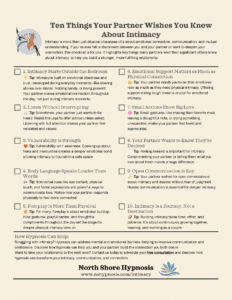
Do you want to have better intimate relationships? Discover ten things your partner wants you to know to have more fulfilling relationships.
Click now for your free checklist, “Ten Things Your Partner Wishes You Knew About Intimacy.
Scott is a Certified Hypnotist with over ten years of experience. He is an Advanced Certified Tantra Educator through the Source School of Tantric Yoga and has extensive experience with Tantric, Taoist, and Somatic intimacy.
Click HERE to schedule a complimentary 20-minute Discover Call with Scott.