

Summary
Enhancing self-intimacy involves developing a deeper, more authentic relationship with yourself through mindful practices and compassionate self-awareness. This comprehensive guide explores evidence-based approaches to cultivating self-love, including mindfulness techniques, body awareness practices, and emotional intelligence development. We’ll examine how hypnosis and therapeutic interventions can support your journey toward greater self-intimacy, helping you build the foundation for all meaningful relationships in your life. Whether you’re beginning this journey or seeking to deepen existing practices, these insights offer practical pathways to authentic self-connection.
Understanding Self-Intimacy: The Foundation of All Connection
Have you ever noticed how the most fulfilling relationships in your life seem to mirror the relationship you have with yourself? The journey of enhancing self-intimacy begins with a profound recognition: the quality of connection we experience with others often reflects the depth of understanding and acceptance we’ve cultivated within ourselves.
Self-intimacy extends far beyond simple self-care routines or positive affirmations. It encompasses a comprehensive understanding of your inner landscape—your emotions, desires, fears, and authentic self. When we develop this intimate relationship with ourselves, we create the groundwork for deeper connections with others and a more fulfilling life experience.
Research in psychology and neuroscience consistently demonstrates that individuals with higher levels of self-awareness and self-acceptance report greater relationship satisfaction and overall well-being (Neff & Vonk, 2009). This connection isn’t coincidental; it reflects the fundamental truth that we can only give and receive love to the extent that we’ve learned to love ourselves.
What Does Enhancing Self-Intimacy Really Mean?
Enhancing self-intimacy involves developing a multifaceted relationship with yourself that includes emotional awareness, physical connection, mental clarity, and spiritual alignment. Unlike surface-level self-improvement, true self-intimacy requires us to embrace all aspects of our being—including the parts we might prefer to hide or change.
This process involves learning to observe our thoughts and feelings without immediate judgment, understanding our physical needs and responses, and developing the capacity for self-compassion during difficult moments. When we enhance self-intimacy, we become more attuned to our authentic desires and better equipped to communicate our needs to others.
The benefits extend beyond personal satisfaction. Studies show that individuals with stronger self-intimacy demonstrate improved emotional regulation, enhanced creativity, and more resilient stress responses (Brown & Ryan, 2003). These improvements create a positive feedback loop, supporting continued growth and deeper self-connection.
Common Barriers to Self-Intimacy
Many of us encounter obstacles on our journey toward enhanced self-intimacy. Cultural conditioning often teaches us to prioritize external validation over internal wisdom, creating patterns that distance us from our authentic selves. We might have learned to suppress certain emotions or aspects of our personality that didn’t receive approval in our formative environments.
Fear of vulnerability represents another significant barrier. True self-intimacy requires us to acknowledge and accept parts of ourselves that feel uncomfortable or unfamiliar. This process can feel threatening, especially if we’ve experienced rejection or criticism when expressing our authentic selves in the past.
Perfectionism also interferes with self-intimacy by creating impossible standards that prevent genuine self-acceptance. When we’re constantly striving to be someone other than who we are, we miss opportunities to develop loving relationships with our current selves. Research indicates that perfectionist tendencies often correlate with decreased self-compassion and increased anxiety (Hewitt & Flett, 1991).
Mindfulness as a Gateway to Self-Intimacy
Mindfulness practices offer powerful tools for enhancing self-intimacy by teaching us to observe our inner experience with curiosity rather than judgment. Through mindful awareness, we can begin to notice patterns in our thoughts, emotions, and physical sensations that previously operated below our conscious awareness.
Simple mindfulness techniques, such as body scanning or breath awareness, help us develop a more intimate relationship with our physical selves. These practices teach us to recognize tension, pleasure, comfort, and discomfort as valuable information rather than sensations to ignore or suppress. Over time, this awareness translates into better self-care and more authentic communication about our needs.
Emotional mindfulness involves observing our feelings as they arise without immediately trying to change or fix them. This approach allows us to develop tolerance for difficult emotions while also fully experiencing positive ones. Research demonstrates that mindfulness-based interventions significantly improve emotional regulation and self-acceptance (Goyal et al., 2014).
Developing Physical Self-Intimacy
Our bodies hold tremendous wisdom about our needs, desires, and boundaries, yet many of us have learned to disconnect from this physical intelligence. Enhancing self-intimacy requires rebuilding this connection through gentle, non-judgmental body awareness practices.
Progressive muscle relaxation, gentle movement, and mindful touch can help us rediscover our physical selves in safe, nurturing ways. These practices teach us to distinguish between different types of physical sensations and to respond appropriately to our body’s signals. When we develop this physical intimacy, we become better advocates for our own well-being.
Breathing practices offer another accessible entry point for physical self-intimacy. Our breath reflects our emotional state and can serve as a bridge between conscious and unconscious awareness. By learning to work with our breath mindfully, we develop tools for self-regulation and deeper self-connection.
Cultivating Emotional Self-Intimacy
Emotional self-intimacy involves developing a nuanced understanding of our emotional landscape and learning to respond to our feelings with compassion and wisdom. This process begins with emotional literacy—the ability to identify and name our emotions accurately rather than relying on broad categories like “good” or “bad.”
Journaling practices can support emotional self-intimacy by providing a safe space to explore our inner experience without external judgment. Writing about our emotions helps us identify patterns, triggers, and underlying needs that might not be apparent in the moment. This awareness creates opportunities for more conscious responses to emotional challenges.
Self-compassion practices, based on the work of researchers like Kristin Neff, offer structured approaches to treating ourselves with the same kindness we would extend to a good friend. Studies show that self-compassion practices significantly improve emotional resilience and reduce symptoms of anxiety and depression (Neff & Germer, 2013).
How Hypnosis Supports Self-Intimacy Enhancement
Hypnosis offers unique advantages for enhancing self-intimacy by accessing states of consciousness that facilitate deeper self-awareness and acceptance. In hypnotic states, we can explore aspects of our inner experience that might be difficult to access through conscious effort alone.
Therapeutic hypnosis—guided relaxation techniques that help access your subconscious mind—can help identify and transform limiting beliefs that interfere with self-intimacy. Many of us carry unconscious patterns learned early in life that create barriers to self-acceptance. Hypnotic approaches can gently bring these patterns into awareness and support their transformation.
Self-hypnosis techniques provide ongoing tools for deepening self-connection. These practices combine relaxation, visualization, and positive suggestion to reinforce new patterns of self-relating. Regular self-hypnosis practice can strengthen neural pathways associated with self-compassion and emotional regulation (Jensen et al., 2017).
Creating Intimate Rituals with Yourself
Developing regular rituals for self-connection helps establish and maintain intimate relationships with ourselves. These rituals don’t need to be elaborate or time-consuming; their power lies in their consistency and intentionality rather than their complexity.
Morning connection practices might include gentle stretching, gratitude reflection, or setting intentions for the day. Evening rituals could involve journaling, meditation, or simply taking a few moments to acknowledge what you appreciated about yourself that day. The key is creating dedicated time for self-connection without external distractions.
Seasonal rituals can help us stay connected to our evolving needs and desires. As we change and grow, our self-intimacy practices may need to evolve as well. Regular check-ins with ourselves help ensure that our self-care practices remain relevant and nurturing rather than becoming empty obligations.
Self-Intimacy and Healthy Boundaries
Enhancing self-intimacy naturally leads to clearer understanding of our boundaries and limits. When we know ourselves intimately, we become better able to recognize when situations or relationships don’t align with our authentic needs and values.
Setting boundaries becomes an act of self-love rather than selfishness when we understand our limits and communicate them clearly. This process requires ongoing self-awareness and the courage to prioritize our well-being even when others might prefer us to ignore our needs.
Healthy boundaries also include internal boundaries—limits we set with our own thoughts and behaviors. This might involve learning to interrupt negative self-talk, setting limits on perfectionist tendencies, or establishing parameters around how much energy we devote to worry or rumination.
How Self-Intimacy Enhances All Relationships
The benefits of enhanced self-intimacy extend far beyond our relationship with ourselves. When we understand and accept ourselves more fully, we become more authentic in our interactions with others. This authenticity creates space for deeper, more meaningful connections.
Self-intimacy also improves our capacity for empathy and compassion toward others. When we’ve learned to hold space for our own difficult emotions and imperfections, we naturally become more tolerant and understanding of others’ struggles. This enhanced empathy strengthens all our relationships.
Communication skills improve when we know ourselves well enough to express our needs, desires, and boundaries clearly. We become less likely to expect others to read our minds or meet needs we haven’t articulated. This clarity reduces conflict and increases mutual understanding in our relationships.
Navigating Challenges in Self-Intimacy Development
The journey toward enhanced self-intimacy isn’t always smooth or comfortable. We may encounter resistance from old patterns, fear about what we might discover about ourselves, or criticism from others who feel threatened by our growth. These challenges are normal parts of the process rather than signs that we’re doing something wrong.
Working with a qualified therapist or hypnotist can provide valuable support during challenging periods. Professional guidance helps us navigate difficult emotions or memories that may arise as we deepen our self-awareness. This support can be particularly important if we’re working through trauma or long-standing patterns of self-criticism.
Patience and self-compassion are essential companions on this journey. Self-intimacy development is a gradual process that unfolds over time rather than a destination we reach and maintain permanently. Celebrating small progress and treating setbacks as learning opportunities helps maintain motivation and forward momentum.
Practical Exercises for Enhancing Self-Intimacy
Daily body check-ins provide a simple starting point for physical self-intimacy. Take a few moments each day to scan your body from head to toe, noticing areas of tension, comfort, or neutral sensation. This practice builds awareness of your physical experience without requiring any particular outcome.
Emotion naming exercises help develop emotional vocabulary and awareness. When you notice you’re feeling something, pause and try to name the specific emotion as precisely as possible. Instead of “bad,” you might identify frustration, disappointment, or anxiety. This precision helps you respond more appropriately to your emotional needs.
Values clarification exercises support authentic self-understanding by helping you identify what truly matters to you rather than what you think should matter. Consider situations where you felt most alive and authentic, then identify the values that were being honored in those moments.
Long-Term Benefits of Enhanced Self-Intimacy
Individuals who consistently practice self-intimacy enhancement report increased life satisfaction, improved decision-making abilities, and greater resilience during difficult periods. They tend to experience less anxiety about others’ opinions and more confidence in their authentic choices.
Enhanced self-intimacy also correlates with improved physical health outcomes. When we’re attuned to our bodies’ signals and needs, we’re more likely to engage in health-supporting behaviors and seek appropriate care when needed. This body awareness can prevent minor issues from becoming major health problems.
Creative expression often flourishes as self-intimacy develops. When we’re less concerned with external approval and more connected to our authentic selves, we become more willing to take creative risks and express our unique perspectives. This creative freedom contributes to overall life satisfaction and personal fulfillment.
Beginning Your Journey Toward Enhanced Self-Intimacy
Enhancing self-intimacy is one of the most valuable investments we can make in our overall well-being and life satisfaction. This journey requires patience, courage, and compassion, but the rewards extend far beyond our relationship with ourselves to touch every aspect of our lives.
Remember that self-intimacy development is a deeply personal process that unfolds differently for each individual. What matters most is beginning where you are with curiosity and kindness toward yourself. Small, consistent steps often create more lasting change than dramatic attempts at transformation.
If you’re ready to explore how professional support might enhance your self-intimacy journey, we invite you to book a complimentary, confidential 20-Minute Discovery Call. During this conversation, we can explore how hypnosis and therapeutic approaches might support your unique path toward deeper self-connection and authentic living. Schedule your Discovery Call today and take the first step toward the intimate relationship with yourself that you deserve.
References
Brown, K. W., & Ryan, R. M. (2003). The benefits of being present: Mindfulness and its role in psychological well-being. Journal of Personality and Social Psychology, 84(4), 822-848.
Goyal, M., Singh, S., Sibinga, E. M., Gould, N. F., Rowland-Seymour, A., Sharma, R., … & Haythornthwaite, J. A. (2014). Meditation programs for psychological stress and well-being: A systematic review and meta-analysis. JAMA Internal Medicine, 174(3), 357-368.
Hewitt, P. L., & Flett, G. L. (1991). Perfectionism in the self and social contexts: Conceptualization, assessment, and association with psychopathology. Journal of Personality and Social Psychology, 60(3), 456-470.
Jensen, M. P., Adachi, T., Tomé-Pires, C., Lee, J., Osman, Z. J., & Miró, J. (2017). Mechanisms of hypnosis: Toward the development of a biopsychosocial model. International Journal of Clinical and Experimental Hypnosis, 65(4), 430-453.
Neff, K. D., & Germer, C. K. (2013). A pilot study and randomized controlled trial of the mindful self‐compassion program. Journal of Clinical Psychology, 69(1), 28-44.
Neff, K. D., & Vonk, R. (2009). Self-compassion versus global self-esteem: Two different ways of relating to oneself. Journal of Personality, 77(1), 23-50.
Frequently Asked Questions (FAQ)
What is self-intimacy and how is it different from self-care?
Self-intimacy goes much deeper than traditional self-care activities. While self-care focuses on meeting your basic needs and treating yourself kindly, self-intimacy involves developing a profound, authentic relationship with all aspects of yourself—including your emotions, desires, fears, and inner wisdom. It’s about truly knowing and accepting yourself rather than just taking care of yourself.
How long does it take to develop meaningful self-intimacy?
Self-intimacy development is an ongoing journey rather than a destination with a fixed timeline. Some people notice positive changes within weeks of beginning mindful self-connection practices, while deeper transformation often unfolds over months or years. The key is consistency and patience with yourself rather than rushing toward a particular outcome.
Can hypnosis really help with self-intimacy enhancement?
Yes, hypnosis can be particularly effective for self-intimacy work because it accesses subconscious patterns that may be difficult to address through conscious effort alone. Therapeutic hypnosis can help identify and transform limiting beliefs about self-worth, while self-hypnosis techniques provide ongoing tools for deepening self-connection and reinforcing positive patterns of self-relating.
What if I discover things about myself that I don’t like during this process?
Discovering challenging aspects of ourselves is a normal and valuable part of self-intimacy development. The goal isn’t to like everything about yourself, but to develop acceptance and compassion for your whole being. Working with a qualified therapist or hypnotist can provide crucial support as you navigate difficult discoveries and learn to hold space for all parts of yourself.
Is it selfish to focus so much on myself and my own needs?
Developing self-intimacy is actually one of the most generous things you can do for others. When you understand and accept yourself more fully, you become more authentic, empathetic, and emotionally available in your relationships. Self-intimacy creates a foundation for healthier connections rather than taking away from your capacity to love others.
What are some simple practices I can start with today?
Begin with daily body check-ins, spending 2-3 minutes noticing physical sensations without trying to change anything. Practice emotion naming by identifying specific feelings rather than just “good” or “bad.” Create a brief evening ritual where you acknowledge one thing you appreciated about yourself that day. These simple practices build the foundation for deeper self-intimacy work.
How do I know if I need professional support for my self-intimacy journey?
Consider professional support if you encounter persistent emotional barriers, have a history of trauma, or find yourself stuck in patterns of self-criticism despite your efforts. A qualified therapist or hypnotist can provide valuable guidance and support, especially during challenging phases of self-discovery. Professional support can accelerate your growth and help you navigate difficult terrain safely.
Will working on self-intimacy affect my relationships with others?
Yes, but typically in very positive ways. As you develop greater self-awareness and authenticity, your relationships often become deeper and more satisfying. You’ll likely communicate more clearly, set healthier boundaries, and show up more genuinely with others. Some relationships may change as you grow, but the connections that remain tend to be stronger and more meaningful.
Learn Ten Things Your Partner Wishes You Knew About Intimacy
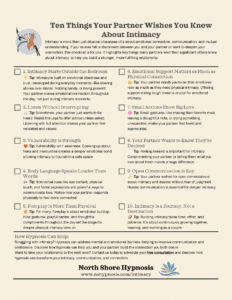
Do you want to have better intimate relationships? Discover ten things your partner wants you to know to have more fulfilling relationships.
Click now for your free checklist, “Ten Things Your Partner Wishes You Knew About Intimacy.
Scott is a Certified Hypnotist with over ten years of experience. He is an Advanced Certified Tantra Educator through the Source School of Tantric Yoga and has extensive experience with Tantric, Taoist, and Somatic intimacy.
Click HERE to schedule a complimentary 20-minute Discover Call with Scott.